

What a Couple of Years It Has Been!
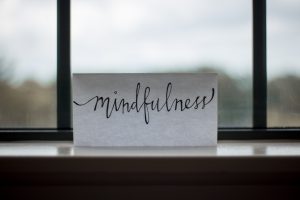
There’s no doubt that 2020 and 2021 have been stressful for everyone – and 2022 is bound to bring challenges too. As an aid to reducing stress, here we take a look at the mental health benefits of keeping a journal.
Not only does journaling help with your mental health, but specific types of journaling, like mindful journaling, can be crucial. If you’ve never considered keeping a journal, here are some things to know about how to approach it and how it can help your mental health.
What to Write About In Your Mental Health Journal
You may already keep a journal – it’s a great way of remembering all the things to be grateful for each day and to keep a record of important events and happenings in daily life. It’s good to know that journaling for mindfulness purposes is not very different from regular journaling.
The main difference is that instead of just writing about your day, you take it to the next level by reflecting on how you felt, your moods (good and bad), your motivations, and what happened during the day. What made you feel good, and why you think it did. What really put you in a downer, and what you think caused it.
As for when it’s best to write your journal, there are many approaches, and you should find one that suits you and your routine. Some people write at the end of the day, some early in the morning before your day starts, and others carry it with them and write as the day progresses. That might not suit everyone’s day, since you need to write with total honesty about what affects your state of mind. The true mental health benefits of keeping a journal will only be at their fullest when you are open and honest about what is impacting your moods.
There are many ways to use a journal for mindfulness and support your mental health, so let’s look at a couple of tips to help you get started.
The Reflection Method Of Journaling
One of the most popular times to journal is at the end of the day, in the privacy of your own home or room. This is a great time to write about your day and reflect on what happened in comfortable surroundings. It should be the easiest way for you to write and reflect honestly on your day.

Think about the day and make notes of what happened to you or what you did during the day. A good way to start the day’s entry is to write down a few bullet points from the day. If you think of short bullet entries of the things that spring to mind for the day, these are most likely to be the things that impacted you that day – good or bad.
Next, spend some time thinking about each of the different bullet points you made at the start. You may have had a meeting at work, met a friend for coffee, or had a chance encounter with an old friend. It may be a social media post, either directed at you or one that passed in front of you, that had some form of impact.
For each bullet point in your list, reflect on those meetings, social media posts, or interactions. Did it make you feel happy, sad, annoyed, elated, or indifferent? Be totally honest with yourself about how it made you feel. It made your initial bullet list, so there must have been something about it that made it stick in the front of your mind.
How did you feel? Reflect on it – but don’t beat yourself up if it didn’t go the way you would have hoped. What would you have done differently? Are you okay with any mistakes you may have made and ready to move on? If not, what do you think you could do to help you move on? Remember, though, there may be nothing you can do because it’s out of your control, and that’s absolutely fine. The important thing is to accept that it is out of your control.
This practice not only helps you experience and reflect on your decisions and actions, but also puts you in the mindset to move on and do better tomorrow.
Start The Mental Health Journal Habit
The mental health benefits of keeping a journal work best when you make it a habit. Start with short entries to build the habit. Don’t overthink it when you first start using a journal for mindfulness.
Get a journal or notebook and make it a habit to use it every day. We have a few published journals available on Amazon. Here are a couple of examples of soothing butterfly-design journals with soothing cream paper.

Ideal Gift For Journaling And Writing, An Elegant Butterfly Design Notebook With 120 Blank Lined Pages

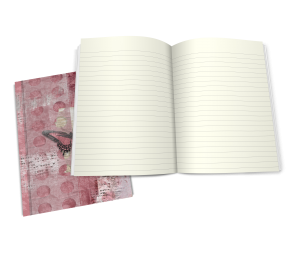
Butterfly Design Blank Lined 120 Page Journal | Perfect Gift For Journaling And Writing
Once you have your blank journal, find a time of day when you want to write, and make sure you are alone. This might be in the morning before the household has woken up, at night just before bed, or during your lunch break. Once you are in the habit, it becomes easier to start using it for mindfulness. It has to be a time when you have time to think, write and be honest. A rushed journal won’t improve your mental health and may, in itself, be the reason you feel stressed. If you can’t find 10 minutes to be on your own with your thoughts, then think about why that is – and write about it in your journal.
We all need to take care of our mental health and encourage others to do the same. If you are interested in improving your mental health, whether you deal with a lot of stress, anxiety, or other mental health disorders, then keeping a journal as a way of aiding better mental health a great place to start.
Happy journal writing!